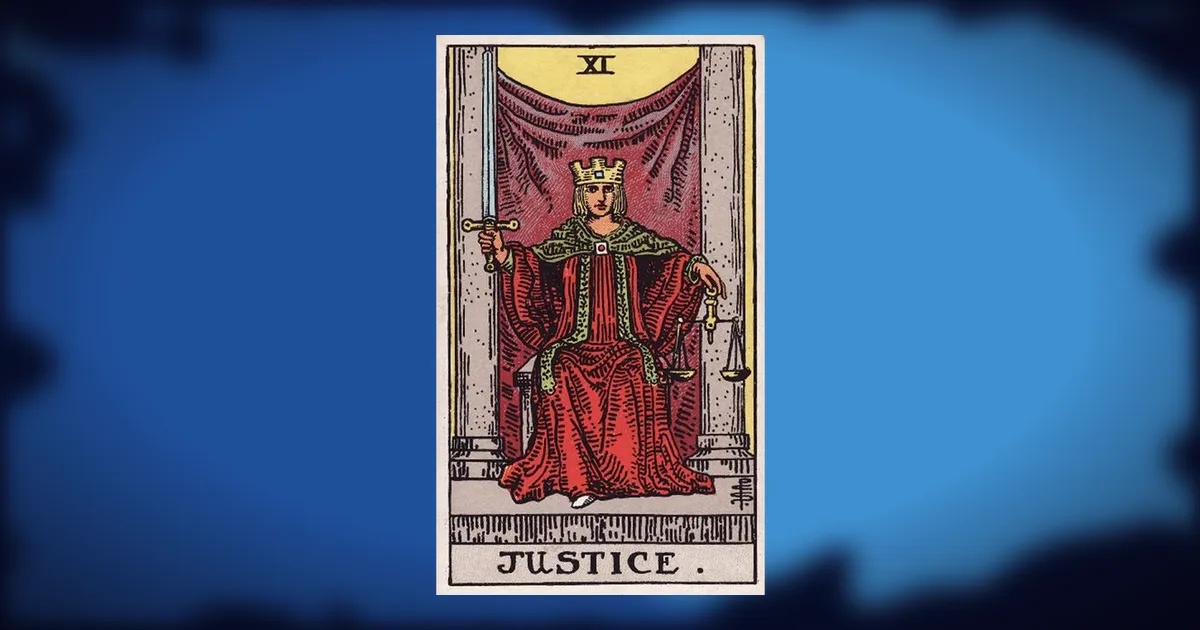
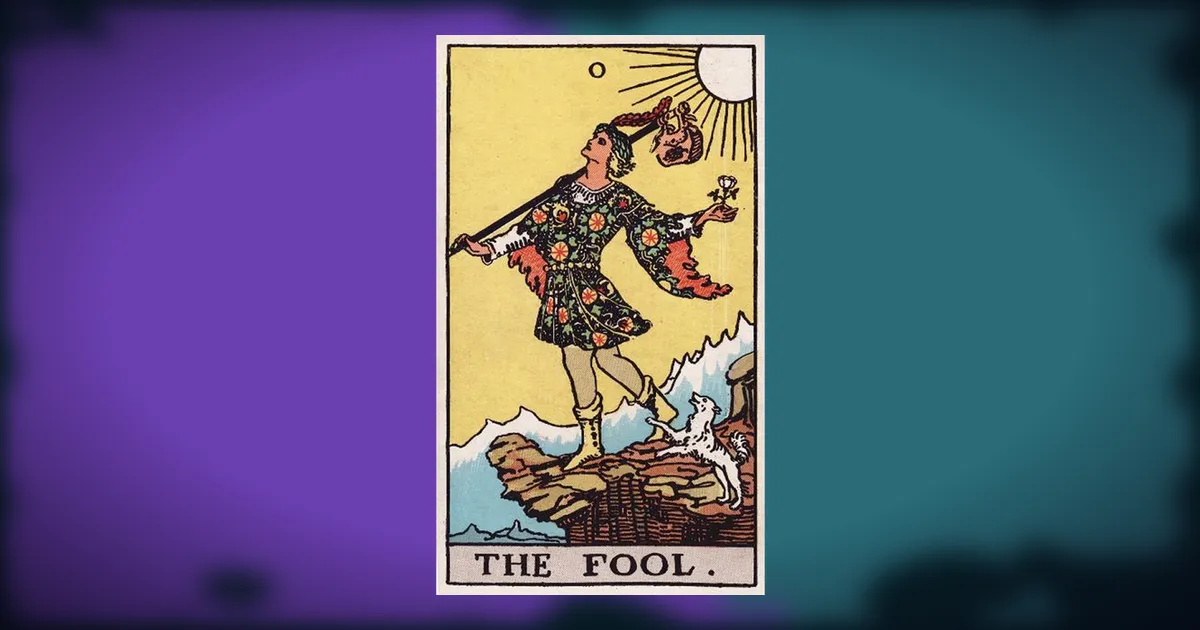
Choosing your first tarot deck is the first and most important decision on the way into the cards: whether the deck speaks to you and whether its pictures make sense determines whether you'll still be using it in a month or whether it will sit in a cupboard unopened. There are several thousand decks out there — from the classics to artist editions — and the choice alone is dizzying. This guide covers how decks differ from one another, why Rider–Waite–Smith is such a good starting point, what makes the Thoth Tarot and the Marseille Tarot more interesting and more difficult, what to look at when buying a first deck, whether it's true that a deck must be given to you as a gift, how to “get acquainted” with a new deck and care for it — and whether you can manage without physical cards at all.
How tarot decks differ from one another
At first glance the difference between decks is just “different artwork”. In fact there's a good deal more to it, and for a beginner the differences matter.
Illustration style
The same card — the Tower, say — can be drawn realistically, as a minimalist engraving, in a cartoon style or a surrealist one. Style affects how easily you can read the card's emotion intuitively, before you've even recalled the meaning you learned.
How fully the Minor Arcana are illustrated — the key point for beginners
This is the crucial difference, and it's often overlooked. In some historical decks only the 22 Major Arcana have a drawn scene, while the 56 Minor Arcana (the suits of Cups, Wands, Swords and Pentacles) look like plain ornament — the right number of symbols arranged on a background, with no scene and no action. The only way to remember such a card's meaning is to learn it separately, with no picture to lean on.
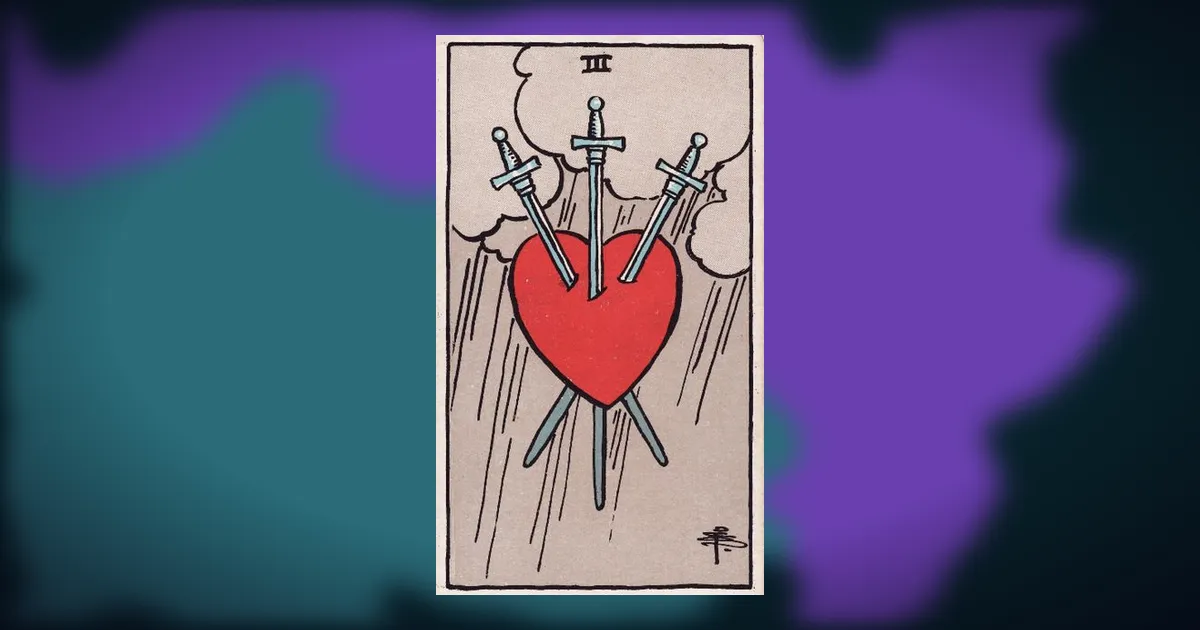
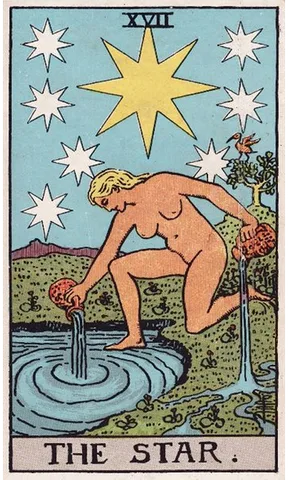
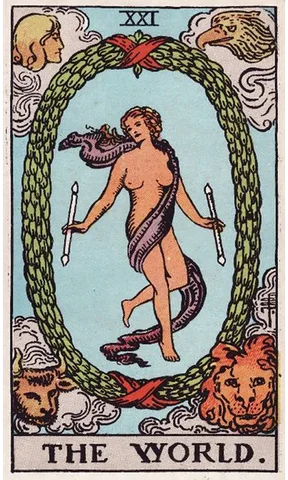
In the Rider–Waite–Smith deck, by contrast, every one of the 78 cards is a small illustrated story with a scene, characters and a mood. The Three of Swords is literally a pierced heart in the rain; the Ten of Cups is a happy family beneath a rainbow. That clarity makes learning far easier: you can “read” a card from its picture before you've learned its formal meaning, and the formal meanings then settle on top of an image you already understand. It's why the deck is recommended to almost every beginner without exception — and why most teaching material, including our tarot card meanings reference, is built on its illustrations.
Esoteric load
Some decks are packed with additional symbolism — astrological and kabbalistic signs, runes, numerical correspondences. That's valuable for deeper study but excessive, even intimidating, on a first encounter with the cards.
A tour of the popular tarot systems
Rider–Waite–Smith — the classic starting point
Created in 1909 by the artist Pamela Colman Smith to the instructions of the occultist Arthur Waite. It's the most reproduced and most teachable deck in the history of tarot — dozens of modern editions (Universal Waite, Radiant Rider-Waite and others) are essentially adaptations of it that keep the same symbolism and composition. Simple, recognisable drawing, bright saturated colour, a clear scene on every card. If you don't know where to start, start here.
Aleister Crowley's Thoth Tarot — for the more advanced
Crowley worked on it with the artist Frieda Harris for nearly twenty years, and it appeared only after his death. The illustrations are surreal and dense with astrological, alchemical and kabbalistic symbols, and some cards have different names (Strength is called Lust, Justice is called Adjustment). It's a deep, powerful system, but it requires an existing foundation: a beginner gets lost easily, and intuitive reading is close to impossible without studying the theory.
The Marseille Tarot — the historical deck
One of the oldest surviving traditions, known from the 15th to 17th centuries. The style is flat woodcut prints with bright flat colour and no shading. The main thing for a beginner: the Minor Arcana here aren't scenic but ornamental — the Five of Swords, for example, is simply five swords arranged on a background, with no scene and no figures. Working with such a deck intuitively is harder; you have to lean on numerical symbolism and memorised suit meanings. An excellent choice for someone who already knows the basic meanings and wants to go deeper into the history of tarot, but not the best option for a very first deck.
Modern artist decks
Hundreds of artist decks come out these days — with cats, witches, flowers, in anime or dark-fantasy styles. Many keep the structure and scenes of Rider–Waite and simply redraw them in their own aesthetic, which is a great option if the classic artwork doesn't appeal to you visually. But there are also decks where the creators have reinvented the symbolism completely: before buying one of those, check whether it comes with a guidebook and whether its Minor Arcana are scenic rather than ornamental.
| Deck | Difficulty for a beginner | Illustration style | Best suited to |
|---|---|---|---|
| Rider–Waite–Smith | Low — the best start | Clear, scenic, a story on all 78 cards | A first deck, learning, intuitive reading |
| Thoth Tarot (Crowley) | High | Surreal, dense with symbolism | Deeper study once you have a foundation |
| Marseille Tarot | Medium to high | Woodcut style, ornamental minors | Tarot history, working with numbers and suits |
| Artist decks (Waite clones) | Low to medium | Varied, often keeps Waite's scenes | When the classic artwork isn't to your taste |
What to look for in a first deck
- Scenic Minor Arcana. This is the main criterion: if all 78 cards have a scene and an action, learning is many times easier.
- Card size. The deck should sit comfortably in your hand and shuffle without effort. Oversized cards look lovely but are awkward for daily practice; very small ones make the details hard to see.
- Print and card stock quality. Thin cards bend and grubby up quickly with frequent use, and poor printing distorts the colours and detail.
- The little white book. Almost every edition ships with a small booklet of basic meanings — a handy prompt for the early weeks, while the meanings still haven't stuck.
- Personal response. Look through sample cards beforehand — if the artwork gives you a warm “I want to work with this” feeling, that counts too.
The best first deck isn't the rarest or the prettiest — it's the one you'll actually practise with every day.
How many decks does a beginner need?
One is quite enough, and it's the best way to start. The temptation to buy several beautiful decks at once is strong, but it scatters your attention: you never quite manage to learn the meanings in any of them. Work with one base deck for at least a few months and build up your own associations with the cards — then, once you feel confident, you can expand into artist or themed editions for particular kinds of question (a separate deck for relationship questions, for instance).
Is it true that a deck has to be given to you?
One of the most persistent myths in the tarot world: supposedly you can't buy a deck for yourself, someone has to give it to you. Let's be honest about where that came from and whether it's worth following.
The tradition of gifting a deck genuinely exists and goes back to a time when tarot was a rare, expensive object and passing cards from hand to hand symbolised the transfer of knowledge from teacher to student. It's a lovely, warm ritual — and if you have the chance to receive a deck from someone close who is also interested in the cards, that's a wonderful beginning.
But it's a tradition, not a precondition for the cards “working”. Waiting years for the right occasion, or for a particular person willing to give you exactly the deck that speaks to you, isn't the most practical strategy. Buying a deck yourself is completely normal and doesn't “spoil” its effectiveness in any way. Your connection with the cards is built through practice, attention and regular use, not through the manner in which they reached you.
How to get acquainted with a new deck
Once the deck is in your hands, don't rush straight into a complicated spread. There's a simple first-acquaintance ritual that helps you settle in and get physically used to the new cards.
1. Look through all 78 cards
Slowly, one at a time, look at every card — the colours, the details, the figures. This isn't a “magical” stage but a purely practical one: it gives you a first visual acquaintance with the deck and starts you remembering what the cards look like before you've learned their book meanings.
2. Shuffle the cards by hand
A new deck is usually stiff and creaky — the card stock hasn't been broken in. A few minutes of shuffling softens the cards and helps you get used to their weight and size in your hands.
3. Draw your first card of the day
A simple, symbolic way to begin: state an intention (“I want to get to know this deck”) and draw a single card. Don't look for a deep prophecy in it — just note which picture came out first and look up its meaning in the card reference. It's a good practice to come back to every day; there's more on the daily draw in the article “How to read tarot”.
How to care for a deck
Caring for cards is first of all about preserving paper, not a strict ritual protocol. A few simple habits will add years to a deck's life:
- Store the cards separately — in a box, pouch or case, so the corners don't crease and dust doesn't settle on them.
- Wrapping them in cloth is a lovely and widespread practice (a natural fabric such as silk symbolically “protects” the deck's energy), but it's a matter of taste rather than a requirement: cards work exactly the same without it.
- Avoid damp and direct sunlight — they warp the paper and fade the colours.
- Shuffle the whole deck from time to time, even if you haven't read for a while, so the cards don't settle into one order and stay pleasant in the hand.
- “Cleansing” rituals (smoke, moonlight and the like) are also a matter of personal taste and mood, not a required technical step.
Can you read from a picture on your phone instead of a physical deck?
Yes, and it works perfectly well, especially at the start. A physical deck gives you a particular tactile experience — the weight of the cards, the sound of the shuffle — and for many people that matters, but the reading itself doesn't depend on those sensations. A card's meaning doesn't change according to whether it's printed on card stock or shown on a screen.
If you don't have a deck yet and want a reading right now, you can ask Mira in our bot: she'll shuffle a digital deck honestly, draw cards for your question and give a live interpretation that takes the context into account. It's a good way to find out whether the practice of tarot speaks to you at all before spending money on a physical deck.
→ Open the bot and get a reading online
What to do after buying a deck
Don't rush into complex ten-card spreads. Start simple: the Card of the Day and three-card spreads help you learn the meanings gradually without overload. If you want a quick, specific answer to a closed question, try the Yes/No spread. And once the upright meanings feel clear, you can move on — work out what reversed cards mean, and look into the full tarot card meanings reference and the collection of tarot spreads.
Frequently asked questions
Which tarot deck is best for a beginner?
Rider–Waite–Smith or any adaptation of it. It's the only system where all 78 cards, the Minor Arcana included, carry scenic illustrations — which makes learning far easier than with the Marseille Tarot or the Thoth Tarot.
Does a tarot deck have to be a gift?
No — that's a lovely tradition, not a requirement. A deck you bought yourself works exactly as well as one you were given.
How many cards are in a tarot deck?
78: 22 Major Arcana and 56 Minor Arcana, divided into four suits of 14 — Cups, Wands, Swords and Pentacles.
Do you need to “cleanse” a new deck before using it?
No, that isn't a required technical step but a question of personal mindset. Looking through all the cards and shuffling them is enough to get acquainted with the deck.
How does the Thoth Tarot differ from Rider–Waite?
Aleister Crowley's Thoth Tarot uses more complex, esoterically dense symbolism and even different names for some cards. It's a deck for continuing students, not for a first encounter.
Can you read tarot without a physical deck?
Yes — a card's meaning doesn't depend on whether it's printed on card stock or shown on a screen. If you don't have a deck yet, you can get a reading online from Mira in the bot.
How much does it cost to put together a first deck?
One Rider–Waite deck is usually enough, the price is modest, and you can learn the card meanings for free from a reference and a daily Card of the Day practice.
Should you buy several different decks straight away?
No. At the start it's better to focus on one deck and build up firm associations with it. Collecting several decks for different themes makes sense once you've mastered the basic meanings on your first one.