
A waning moon is the second half of the lunar cycle, from full moon to new moon, when the lit disc shrinks to nothing. Calendars give it less attention than the waxing phase: it is treated as a time to "start nothing", and that is usually all. Let's go through what happens astronomically, why this phase has work of its own, and how to use the fortnight.
What is actually happening
The Moon shines by reflected sunlight, and exactly half its sphere is always lit. What changes is the angle from which we see it.
That angle is elongation — the distance between Moon and Sun across the sky. At full moon it equals one hundred and eighty degrees: the lit face turned straight at the observer. Then the Moon catches up with the Sun, the angle shrinks, and the visible disc melts away. At new moon elongation is zero again.
From this follows a rule usable without any calendar. A waning moon is visible late at night and in the morning: it rises late and stays up after dawn. A waxing moon is visible in the evening in the west. If you saw the Moon at seven in the morning, it is waning.
A second marker for the northern hemisphere: a waning crescent bulges left, a waxing one right. Mirrored in the southern hemisphere.
A third feature nobody mentions: the Moon increasingly appears in the daytime sky, a pale disc against blue. Neither anomaly nor omen — it sits in the same half of the sky as the Sun.
The four stages of a waning moon
The phase reads more easily as four recognisable states. The dates below belong to the current cycle, calculated from real positions.
The waning gibbous
The first five or six days after the full moon. More than half the disc is lit, the circle bitten into on one side. The brightest part of the phase, and the least noticed: to the eye it barely differs from full.
The last quarter
Elongation equals two hundred and seventy degrees and half the disc is lit. In this cycle, 4 September 2026 at 10:52 Moscow time; the Moon rises around midnight and sets around noon. As with the first quarter, "quarter" refers to the cycle passed, not the light.
The old crescent
Roughly days twenty-four to twenty-eight. A thin strip, bulge left, rising before dawn and drowning in morning light. Most people have never seen one, simply because they are not outdoors then.
The dark moon
The last two or three days before the new moon, when the Moon is invisible. In tradition, the cycle's lowest point. Astronomically nothing special: the lit side is turned away.
How long it lasts, and why it is not exactly half
A synodic month takes 29.53 days. Halving it would give the waning phase 14.77 days. In practice that almost never happens.
The reason is the elliptical orbit: the Moon's angular speed is not constant, so the stretch drifts by around thirteen hours either side of the average. This cycle the waning phase runs thirteen days and nearly twenty-three hours.
Hence a conclusion more practical than astronomical: calendars computing phases from an average month are off by hours, sometimes by a day. If the exact moment matters, use real positions rather than "full moon plus so many days".
What the research says
The subject has been studied repeatedly, and the honest summary is modest.
A clear lunar influence exists where illumination explains it. Nights around a full moon are brighter, which changes the behaviour of animals whose hunting depends on visibility. In humans that mechanism operated before electricity and has largely gone: in a city the difference between a moonlit and moonless night is lost against street lamps.
On sleep the data conflict. Some studies record slightly less sleep before a full moon; larger samples fail to reproduce it. Any effect is small and weaker than a work schedule.
Claims of spikes in injuries, crime and births at particular phases are unsupported by large reviews. The belief survives because coincidences are remembered and non-coincidences are not.
The popular claim that the body "cleanses better" now has no physiological basis. The practice has an indirect benefit, though: tying a light-eating day to a definite date makes it regular, and regularity works regardless of motivation.
A waning moon does not take your energy. It gives the calendar a second half — the one in which things are meant to be finished rather than begun.
What is genuinely worth doing in this phase
The value of this phase is that it has a job of its own. The cycle splits the month: the first half for accumulating, the second for completing. The second is usually lived as a pause, and that is a mistake — the work is equal, only different.
- Finish rather than begin. Whatever survived from the new moon to the full moon now needs bringing to a state where it no longer demands constant attention. Anything unclosed drains resources by the fact of being unclosed.
- Sort and clear. Papers, files, subscriptions, possessions. The waning phase is the one part of the month when that work does not feel pointless, because it runs with the cycle.
- Refuse. If you spent the month unable to say no, the second half suits it better: a refusal lands more calmly here than in a waxing phase, when everyone is tuned to expansion.
- Count the result. The days right after the full moon are best for looking honestly at what came of the plan made a month ago.
What is not worth doing is launching something new and expecting a quick return — not because it is forbidden, but because the natural starting line is still a fortnight away.
A word on scale. This phase tempts you the opposite way from the waxing one: you want to clear everything at once. In practice a fortnight closes as much as the preceding one opens — one thing, two at most. A list of fifteen turns into guilt, not order.
The first days after a full moon
The three days after the peak deserve their own section: they are the most underrated part of the cycle.
A full moon works like a bright light in a room: everything is visible, including what you would rather not see. That is why emotional stories cluster around it — a person looks at the month's result and compares it with the intention.
The days after the peak are when the light remains and the sharpness has gone. Assessment comes out more accurate than at the full moon itself, without euphoria or disappointment. No better window for an honest monthly look.
The format: twenty minutes, a sheet of paper, three questions. What worked. What did not. What am I still doing though it does not work. The third is the whole point — the first two you know anyway.
How this differs from the waxing phase
The difference is not in strength or luck but in direction.
A waxing moon is a fortnight in which what has begun gathers volume. The natural question of that phase is what to add.
A waning moon is a fortnight in which the excess leaves. The natural question here is the opposite: what to remove. And it is harder, because removing is always more difficult than adding — adding cancels nothing, while removing requires admitting that something did not work.
The transition points between phases — the full moon and the new moon — work as borders: the first shows the result, the second gives a fresh start. A complete circle: idea, accumulation, peak, completion.
Why the second half of the cycle gets skipped
In any lunar calendar the waxing phase gets three times the text: how to set intentions, what to begin, how to "release". Then a short line, "a time to finish things", and silence until the next new moon.
The reason is commercial, not astronomical. People come to calendars for permission to start, not a reminder to finish. A beginning promises; a completion demands — and the second sells worse.
That imbalance has an unpleasant consequence. Someone who uses only the first half launches something new on top of something unclosed every month. Within six months they have a dozen abandoned things, each quietly taking attention. The feeling of never getting anything done usually comes from here, not from a shortage of time.
So this is not the less valuable half but the more: the only part of the month that proposes unloading instead of adding. If you observed one half seriously, the sensible choice is the second.
Lunar days inside the waning phase
A lunar day is counted from the new moon; a cycle holds twenty-nine or thirty. Tradition singles out several here, and while unconfirmed, they work as a way of directing attention.
- Nineteenth. Just past the peak, when it becomes visible what was real and what was inertia. A good time for honest review.
- Twenty-third. Approaching the last quarter. Traditionally the easiest day to give something up — a habit, an obligation, a subscription.
- Twenty-sixth. The bottom of the cycle registers distinctly. Not a day for load; sorting, filing and accounts go well.
- Twenty-ninth. Lunar calendars call it the hardest day. In practice it is the last before the new moon: energy is genuinely low, and planning anything important is unwise.
Use this as a frame, not a prohibition. A calendar that dictates which day you may not cut your hair or hold a conversation takes away more decisions than it returns.
Four myths
"Cut your hair on a waning moon so it grows slower"
A mirror of the waxing-phase myth on exactly the same grounds — none. Hair growth is governed by the follicle and depends on age, nutrition and hormones; no mechanism of lunar influence has been described.
"A waning moon draws the excess out of the body"
The most persistent modern lunar myth, because it maps onto the metaphor: the disc shrinks, so the weight will. The body does not consult the phase. What works is not the Moon but tying a lighter regime to a date and therefore keeping to it.
"You must not begin anything important in a waning phase"
The only one with a rational kernel, and even that is not a prohibition. You can begin anything at any time — you simply will not have a fortnight of rising support. If it is urgent, begin; if it can wait for the new moon, waiting is cheaper.
"A waning moon is a bad time, best sat out"
The most harmful of the four, because it concerns a fortnight of your life every month. Treating half the cycle as unfit strikes nearly six months a year out of your planning. No tradition ever proposed sitting out half the month: the agricultural calendars behind the whole system distributed work across phases rather than forbidding it — one for sowing, another for harvesting, and the second was no less laborious.
A spread for the waning moon
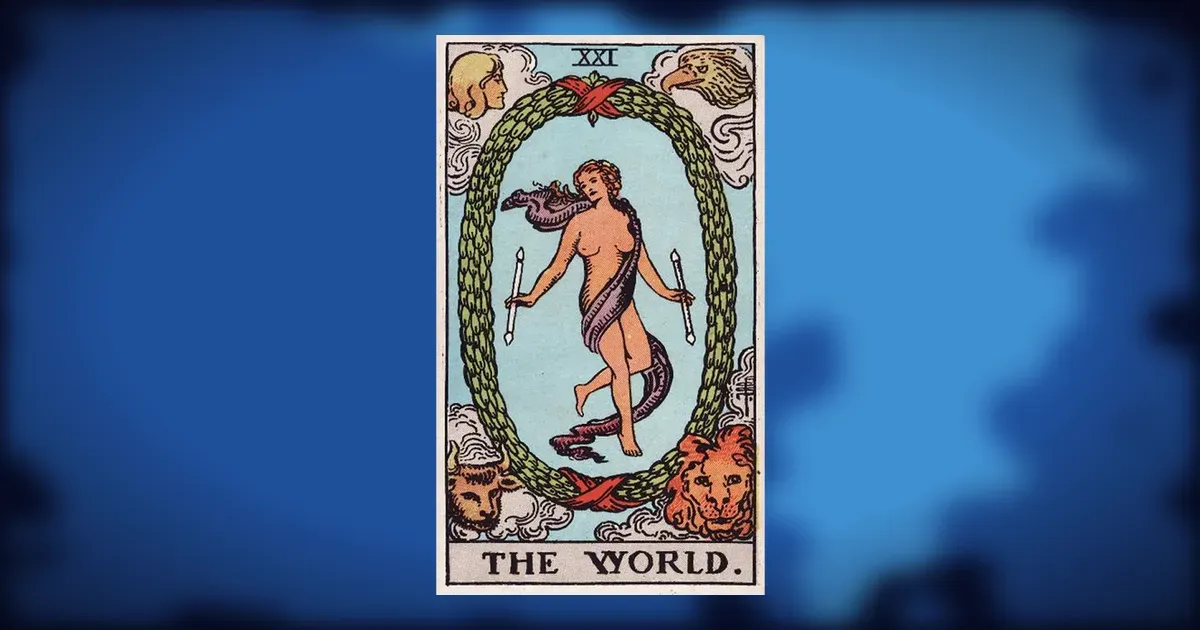
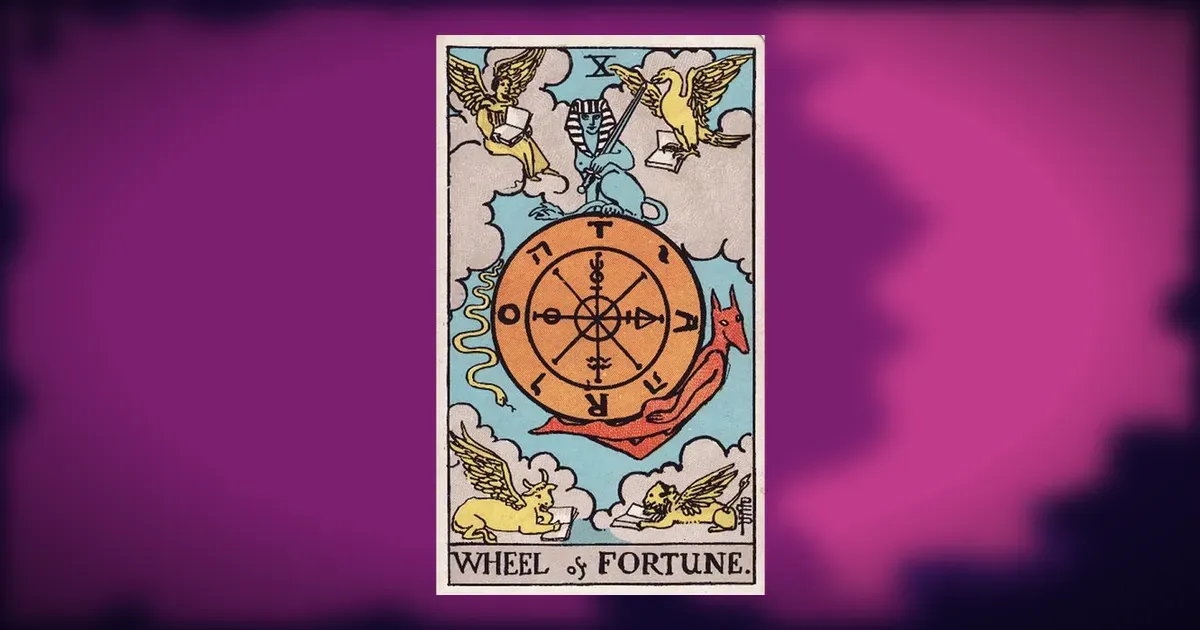
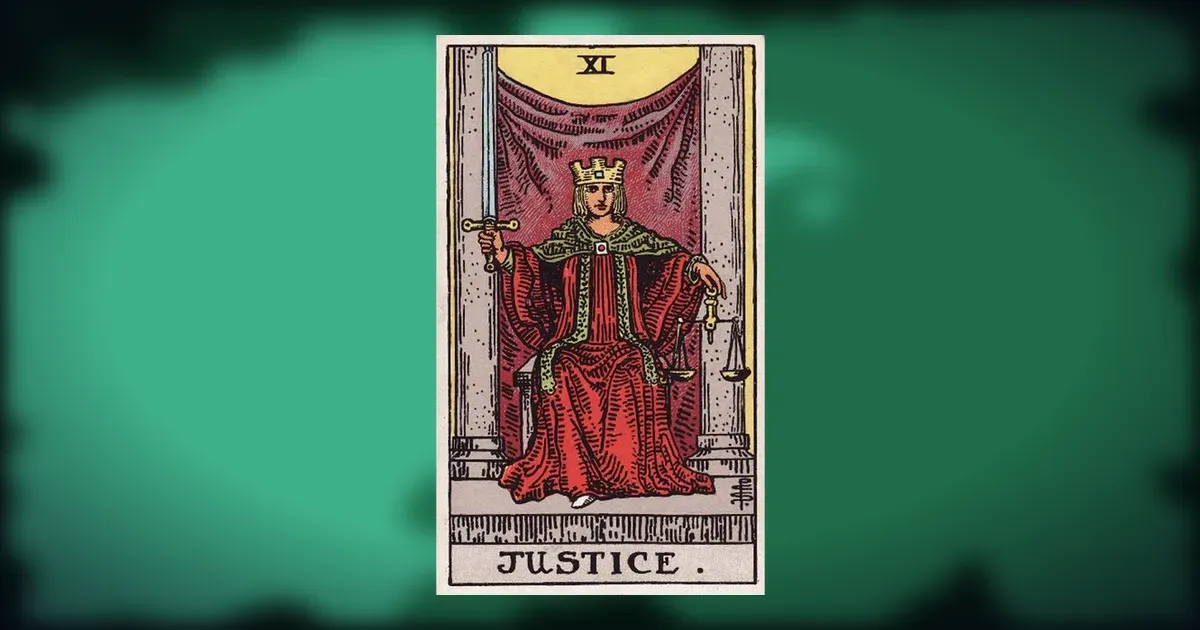
If you work with cards, this phase gives the question a natural deadline: from today to the new moon. A three-card layout to repeat each cycle.
- What has already done its work. Something useful that has ended. The position separates the completed from the abandoned — different things, and confusing them is expensive.
- What am I continuing out of inertia. The most unpleasant and most useful position. The answer is usually known without cards but only gets phrased once asked.
- What to let go before the new moon. One thing, not a list — or the position turns into a wish.
Write the spread down. At the new moon check the third position: released or not. That is the only way to know whether the practice works, because an unrecorded card is remembered already adjusted for whatever happened.
Fitting the cycle into a month
A workable scheme takes four marks in the calendar and about an hour a month.
- New moon. Fifteen minutes: phrase one task for the cycle.
- First quarter. Ten minutes: check whether it started. If not, simplify rather than postpone.
- Full moon. Twenty minutes: look at the result and name things plainly.
- Last quarter. Fifteen minutes: choose one thing you are giving up before the cycle ends.
The point is not the phases but that the month stops being uniform. Four points of return is more attention to your own plans than most planning systems produce, and cheaper than any of them.
Common questions
How many days is a waning moon? About fourteen — this cycle, thirteen days and nearly twenty-three hours, from 28 August to 11 September 2026.
How do I identify the phase without a calendar? By time and side. Morning with the bulge left — waning. Evening with the bulge right — waxing.
Is there less energy in a waning phase? Many describe a dip, but the data do not confirm it. It is most likely the labelling: knowing the phase is waning, a person reads ordinary tiredness as a pattern. There is a separate piece on the Moon and mood.
Can you move house, change jobs or marry in a waning phase? Yes. The large events of a life are not chosen by lunar calendar, and no astrologer in good faith talks someone out of a needed decision by pointing at a phase.
What if the month did not work out and there is nothing to close? Common, and it calls for no heroics. If nothing much began, use the phase to unpick the cause: what was missing, time or desire. That answer is more useful than any result, because it determines what you set yourself next cycle.
Do I have to track the phases every month? No. It is a tool, not an obligation. The point emerges when the cycle directs attention over several months, and disappears when it becomes one more list of rules to comply with.
In conclusion
A waning moon is not a pause. It is the half of the cycle with work of its own: closing what is open, removing what stopped working. It is harder than the waxing half because removing is more difficult than adding — and that is why it gets skipped.
Strip the prohibitions out of lunar calendars and keep the structure, and a working tool remains: a month with four points of return instead of thirty identical days. A fortnight to gather, a fortnight to finish. Enough for the phase to be useful, and it requires believing in nothing additional.